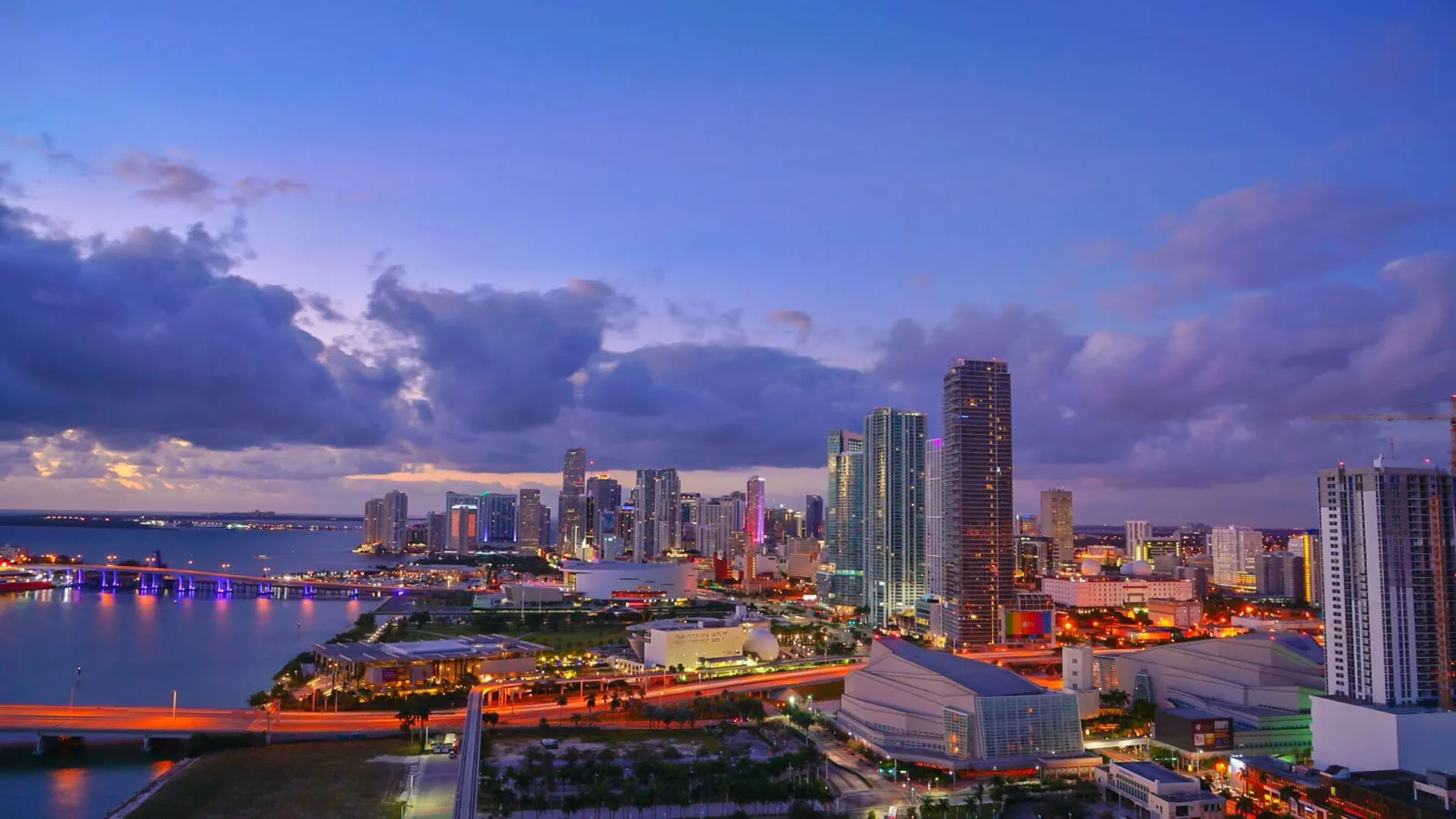
Penthouses in Miami for sale are the one residential asset that cannot be reproduced: a tower has exactly one true top floor. That scarcity, paired with the arrival of global branded residences, is what makes the category a trophy — and what demands sharper underwriting than any other unit in the building.
What truly defines a penthouse
The word is overused. A genuine penthouse is the highest residential floor of the building — single-level or duplex — typically with the largest floor plates, the highest ceilings, the deepest terraces and a private, keyed elevator that opens into the unit itself. Many listings labeled "penthouse" are simply higher-floor units; the real ones carry features that cannot be added later: roof rights, a private pool or rooftop, double-height volume, dual exposures. Before you pay the premium, confirm what specifically makes the unit the top of its building rather than just near it.
Want to see the penthouses available right now?
View penthouses →Branded residences: the new top of the market
Miami has become the global capital of branded residences, and the penthouses inside them set the price ceiling. Names once attached to cars, fashion and hospitality — Aston Martin on the river, Bentley in Sunny Isles, Cipriani and St. Regis in Brickell, among others — sell a managed lifestyle: hotel-grade service, design pedigree, and a brand that travels with resale. The branded premium is real, often 25%–35% over a comparable non-branded unit, but it is not uniform; it rewards the strongest brands in the strongest locations and fades for the weaker pairings.
Private elevators, features and the price-per-foot premium
A trophy penthouse is priced on its own curve, not the building's average. Expect a meaningful step-up in price per square foot over the floors below — driven by the private elevator vestibule, ceiling height, terrace depth, view corridor and finish allowance. The discipline is to price the unit against other penthouses and trophy units, not against the standard stock in the same tower, and to ask whether the premium buys irreplaceable attributes (top floor, roof rights, dual water views) or merely a higher floor number you are overpaying for.
Underwriting and resale liquidity
At eight figures the buyer pool narrows, so liquidity is part of the underwriting. Large units can still be financed — non-residents use jumbo foreign national loans, typically with larger down payments and full documentation — but many trophy buyers pay cash. Weigh the carrying cost (taxes, insurance and the building's HOA on a large floor plate), the depth of comparable sales, and how quickly the unit could resell. A penthouse in a top branded building in Brickell or on the oceanfront holds its bid far better than a one-off in a secondary location.